
Bitumen Melting Plant
What is a Bitumen Melting Plant?
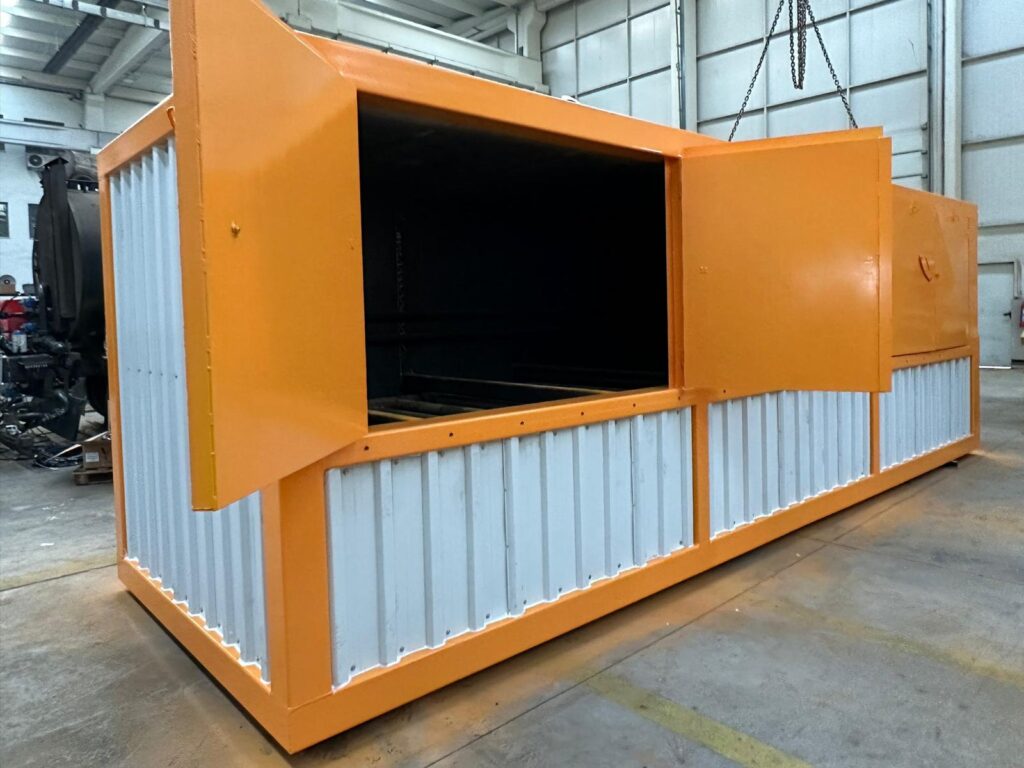
A bitumen melting plant, also known as a bitumen decanter, is used to heat and melt bitumen stored in drums or bags, making it suitable for further processing or application in road construction and maintenance.
Bitumen is typically stored and transported in solid blocks or drums. Before it can be used, it must be melted down to a specific temperature, ensuring it reaches a fluid state for easy application. The process involves heating the bitumen to a temperature between 140°C to 160°C ,depending on the type and grade of bitumen.
Advantages of Using a Bitumen Melting Plant
- Efficiency: Speeds up the process of bitumen melting process, making it readily available for use.
- Consistency: Ensures uniform heating and melting, resulting in a consistent quality of bitumen.
- Safety: Designed with safety features to handle high temperatures and prevent accidents.
- Versatility: Can handle various forms of bitumen, including drums and bags.
What is Package (Big-Bag) Bitumen?
Package (Big-Bag) bitumen refers to the process of packing bitumen in special transportation sacks to make it suitable for cold solid shipment. It is preferred in conditions where it is not possible to obtain hot bitumen.
Key Components of a Bitumen Melting Plant
- Loading Platform: For placing bitumen drums or bags.
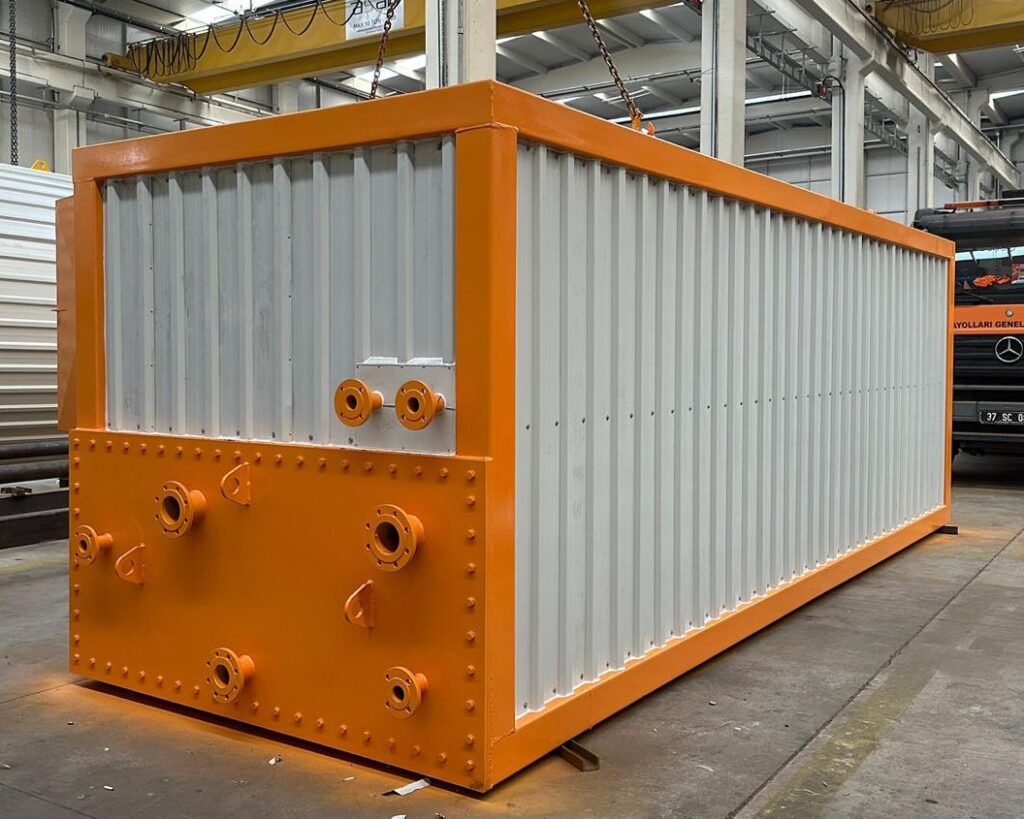
- Heating Furnace: Equipped with heating elements (thermal oil coils) to melt the bitumen.
- Thermal Oil Burners: Heat sources for the melting process.
- Collection Trough/Tank: For collecting the melted bitumen.
- Filters: To remove impurities from the melted bitumen.
- Bitumen Pumps and Pipelines: For transferring the melted bitumen to storage tanks or directly to the application site.
- Control Panel: For monitoring and controlling the temperature and other parameters of the melting process.
Bitumen Melting Process
- Loading Bitumen Drums/Bags
- Loading: Bitumen drums or bags are loaded into the melting furnace either via forklift from the side or via cranes.
- Heating Furnace: The drums or bags are placed in a furnace equipped with heating elements.
- Initial Heating and Melting
- Heat Source: The heating furnace uses thermal oil heaters to generate the necessary heat.
Melting Process: The heat gradually melts the bitumen inside the drums or bags. Typically, this process starts at the bottom and sides of the chamber to ensure even melting.
| AVAILABLE TYPES | BIG BAG MELTING PLANT | BARREL MELTING PLANT |
|---|---|---|
| PRODUCTION CAPACITY | 4-15 ton/hour | 10-30 barrel |
| INSULATION | Rock Wool | Rock Wool |
| HEATING | Thermal Oil | Thermal Oil |
| THERMAL CAPACITY | 400-1.000.000 kCal/hour | 400-1.000.000 kCal/hour |
| POWER | 26 kW | 18.5 kW |
| LOADING PORT | Crane or Fork Lift | Hydraulic |
| BITUMEN PUMP CAPACITY | 17 m³ / h | 17 m³ / h |
Benefits of Using a Bitumen Melting Plant
- Efficiency: Bitumen melting plants are designed to operate continuously, ensuring a steady supply of liquid bitumen. This continuous operation reduces downtime and enhances overall productivity.
- Quality: The controlled heating process ensures that the bitumen reaches the optimal temperature without degrading its quality. This results in a superior final product, whether it’s for road construction or other applications.
- Environmental Impact: Modern bitumen melting plants are equipped with advanced technologies to minimize emissions and energy consumption. This makes them a more environmentally friendly option compared to traditional methods.
Applications of Bitumen Melting Plants
Bitumen melting plants are indispensable in various sectors, including:- Road Construction: Liquid bitumen is a primary component in asphalt, which is used to construct and maintain roads.
- Roofing: Bitumen is also used in the production of roofing materials due to its waterproofing properties.
- Industrial Uses: Beyond construction, bitumen is used in various industrial applications, including insulation and sealing.


